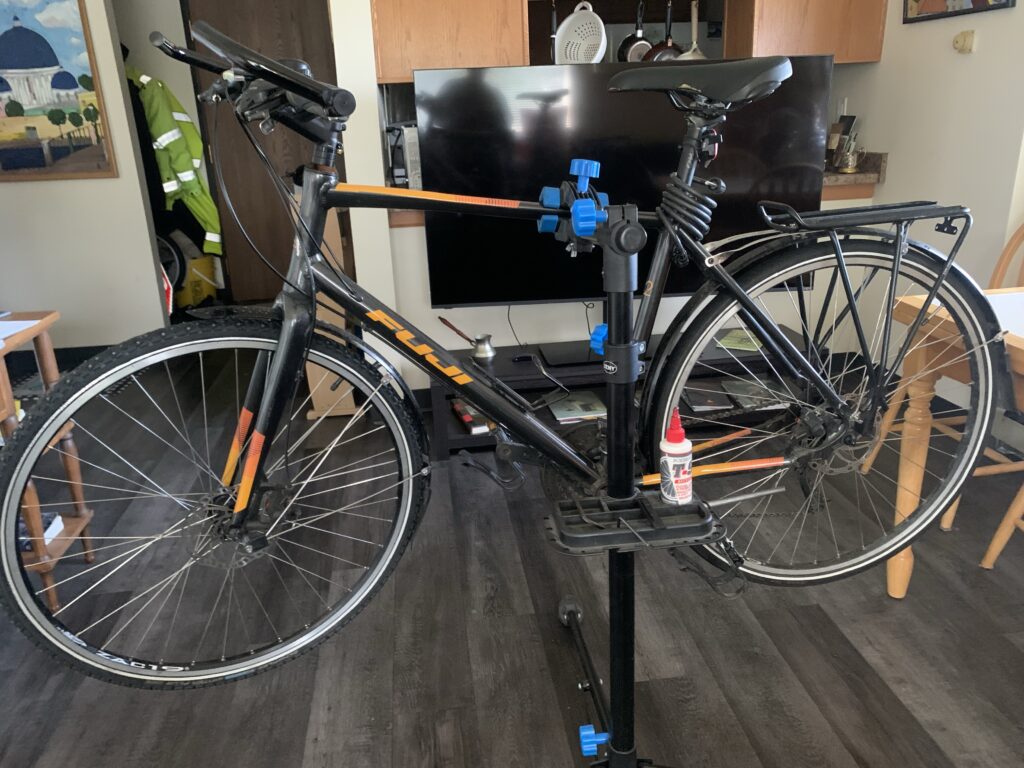
Winter has blasted our spring-like weather pattern with up to 8 inches of snow and blowing wind to 45 mph.

I’ve swapped in my winter ice-spike tire only on the front for safe steering. I expect the roads and paths to be clear tomorrow early morning after clearing snow all day so I wouldn’t need a rear winter tire now.
The environmental consequences of the war to Iran have included damage to fossil fuel infrastructure that has caused black rain and thick smoke over Tehran, according to NYTimesApp.

This has prompted concerns that tanks of mazut, a bottom-of-the-barrel oil residue product used in power plants, have caught on fire, releasing huge quantities of sulfur and other toxic pollution into the air where these deadly chemicals are especially lethal to breath and cause innumerable illnesses, diseases and deaths.
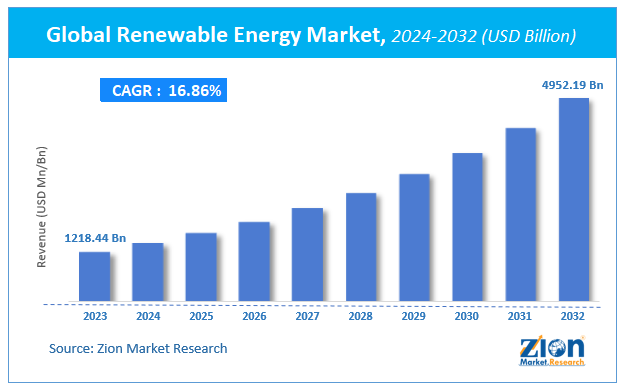
And experts say that this catastrophic upheaval will not necessarily push governments around the world to pick up the pace of renewable energy production phasing out far sooner gas-combustion engines.
The Iranian control of the Straight of Hormuz and the resulting inability of oil tankers to pass through, reminds us all how much we are paying for our dependency on fossil fuel.
Gas prices, grocery prices, airfare, etc. are all increasing because of our continuing and growing dependency on oil.
If we made a plan for far more renewable energy production and use, this mess wouldn’t seem nearly as formidable.
Pingback: otitis media in children
Pingback: vardenafil strong dose
Pingback: avanafil contraindicated conditions
Pingback: ivermectin dosing questions
Pingback: toradol pain relief duration
Pingback: toradol pain control
Pingback: acular ketorolac instructions
Pingback: toradol drug overview
Pingback: terbinafine dosage breakdown
Pingback: ketoconazole cream complete guide
Pingback: orlistat reviews 2025
Pingback: liraglutide reddit side effects
Pingback: what is metronidazole for cats
Pingback: proscar and avodart side effects
Pingback: tadalafil name
Pingback: fincar 5 tab
Pingback: sémaglutide sans ordonnance
Pingback: stendra 100 mg price
Pingback: tadalafil benefits reddit
Pingback: vidalista 20mg used for
Pingback: vidalista 20mg cialis
Pingback: lasix medicine for urine
Pingback: flagyl 500 mg tablet
Pingback: diflucan over the counter australia
Pingback: bnf metoprolol
Pingback: doxycycline 100 mg cap
Pingback: buy doxycycline antibiotics
Pingback: linezolid cost per pill