Annual autumnal arrival continued this past week as temperatures dropped pleasantly into the 60s. It was refreshing to breathe in the fresh, cooler air. I broke out some sleeves for early morning temperatures in the 50s on the wheel.
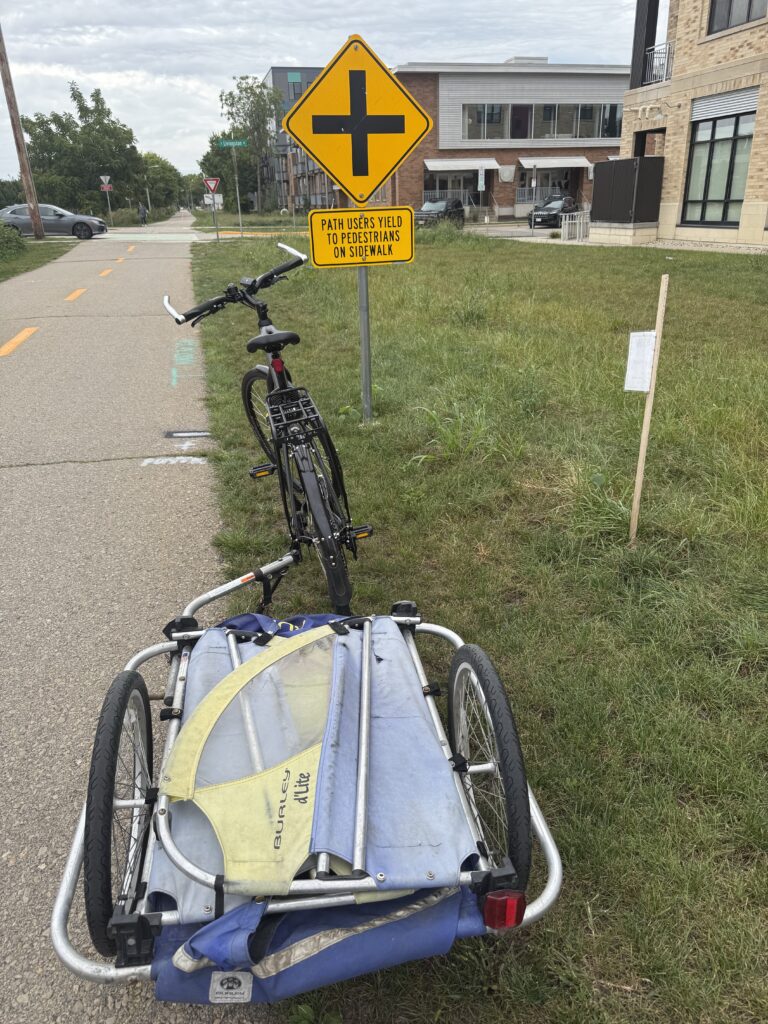
The early fall rain showers and drizzle are also beginning. The rain drops are more refreshing and cooler now. Some leaves are just starting to turn.
Forecasts call for later than normal pique with leaves turning well into November here. Hopefully the wind and rain will not blow the lovely lively with color leaves away too soon.
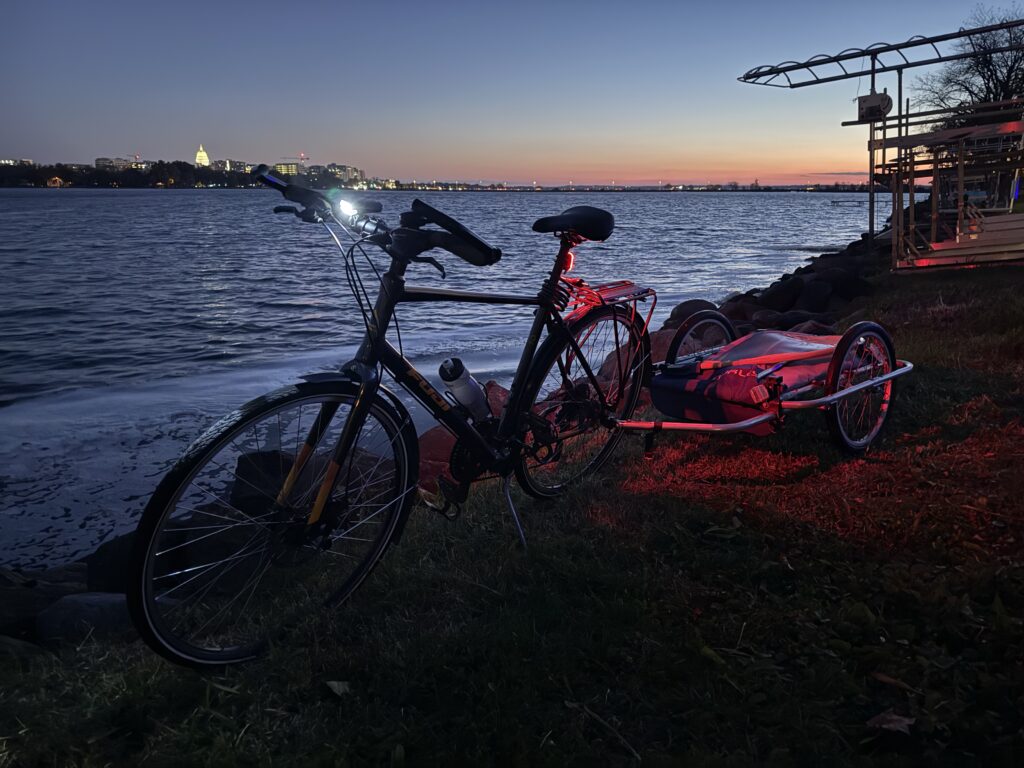
I was driving my hybrid Prius one morning and met a cyclist as I turned a corner. The sun had not yet risen so it was still quite dark. However, he had no lights or reflective clothing. I couldn’t see him very well. Dangerous.
In the dark we need to ride with a white front light and a red back light. City ordinances require it. Reflective clothing, biomotion and reflective bike accessories like tires help us to be seen at our most vulnerable sides in car headlights for safe riding on all sides in poor light.
Recently I trued the front wheel in the Trek FX1. I was disappointed that I had to do it at all. I lost control a bit on wet, slippery plastic mats in a road detour. The wheel hit a plastic wall not very hard but went out of true.i expected something far more durable from Trek.
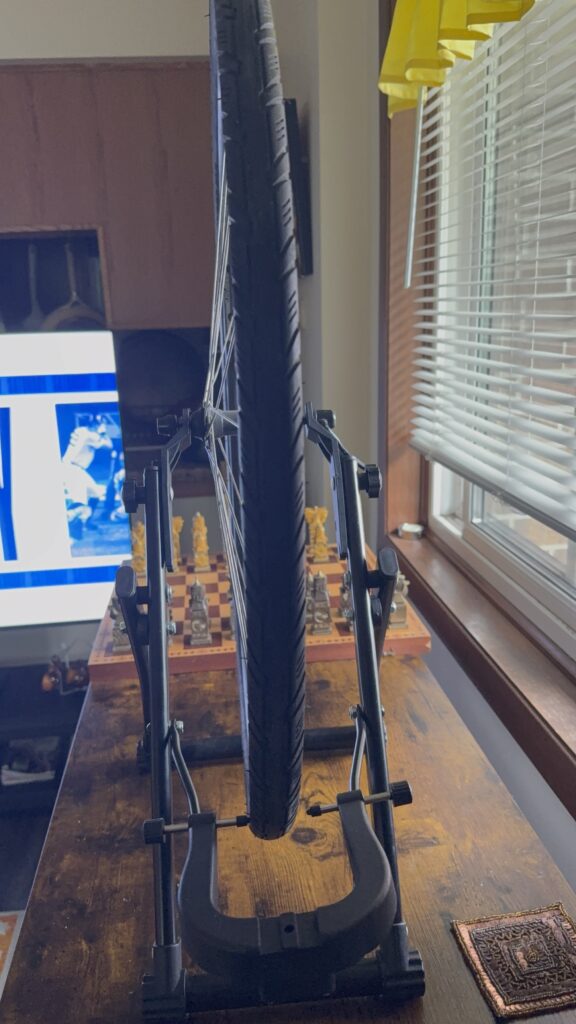
I placed my truing stand on the espresso-bar table and got to work at the weekend. You generally want to pull the rim where it wobbles away from center back to the center by tightening spokes on the opposite side with a special spoke wrench.
However after a while of “shaving” off the wobbles, I started to slightly loosen some spokes to also bring the rim to center. This tip helped true the wheel very well.
Decreasing significantly rainfall is harming shipping routes in the US and Europe. Lower water levels from tributaries, including lakes have caused, eg, the Panama Canal to reduce the number of ships crossing to 32 daily from 38.
Over 50 percent of US production of Soybeans, grain and corn sail down the Mississippi Riverwhere low water levels have forced barges that can carry 200 train cars worth of these staples to lighten their loads and sail in specific places.
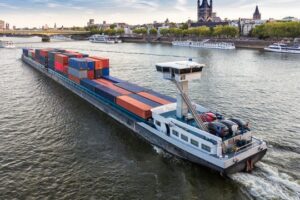
Projections in Germany believe that low levels of water in the Rhein in the near future will cause ships to transport only one-half load during the worst two-week period yearly.
Climate change is rewriting shipping maps as the melting ice bergs and ice caps of the Artic open new shipping lanes according to NYTIMESAPP.
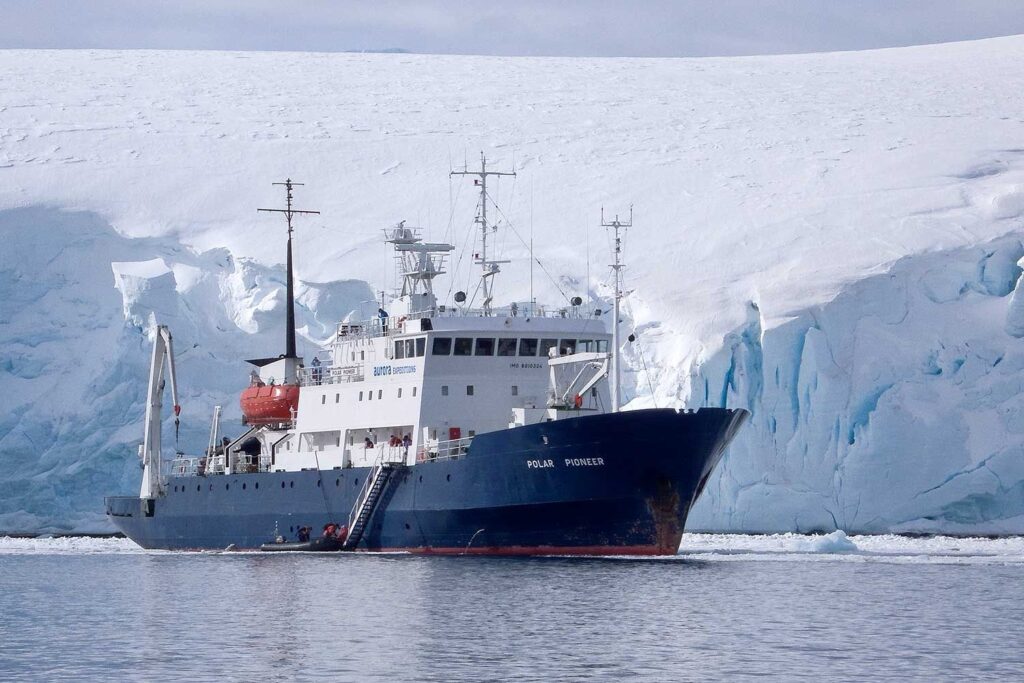
These routes, one completed by a Chinese ship from China to England recently, can save days as well as fuel and emissions of lengthy international maritime travel by substituting emerging shorter and faster Artic routes.